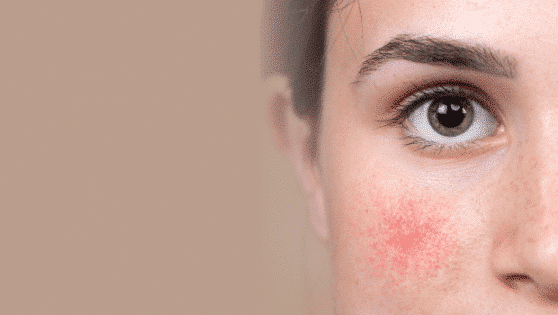



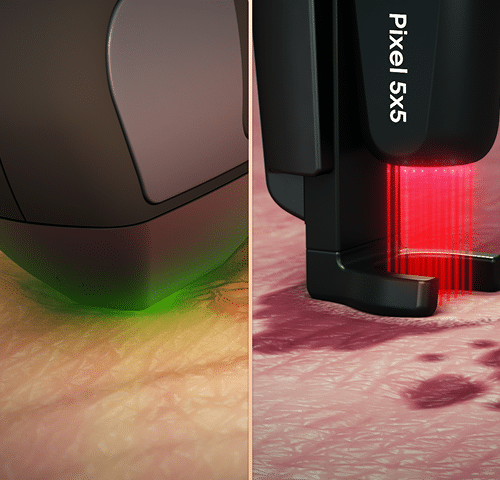
IPL uses broad-spectrum light, while a laser typically delivers a single wavelength. AFT is Alma’s advanced pulsed light technology, designed to convert otherwise unused light into useful wavelengths through fluorescence.
The IPL vs laser decision starts with skin type, the concern being treated and recent sun exposure. Intense pulsed light may suit widespread pigment and redness; a selected laser may better address a specific target.
How IPL, Laser and AFT Work
IPL and lasers differ in the light they emit, and AFT refines how pulsed light is delivered. In every case, skin type and treatment target determine suitability. In photothermal treatments, absorbed energy heats selected targets, while appropriate settings and cooling limit injury to surrounding skin cells.
IPL
Intense pulsed light (IPL) delivers a broad spectrum, filtered to target melanin in pigment or hemoglobin in blood vessels. Patients may search for “IPL laser treatments” or “IPL laser therapy,” but IPL is not a laser. IPL treatment of the face is often called a photofacial.
Laser
A laser delivers a specific wavelength of light, although systems can combine wavelengths. Laser treatments target particular structures; penetration depends on wavelength and settings.
AFT
AFT (Advanced Fluorescence Technology) is Alma’s pulsed-light technology, using fluorescence to convert otherwise unused shorter-wavelength light into useful treatment wavelengths.Harmony and Harmony XL Pro offers AFT IPL applicators for different concerns.
IPL vs Laser: Which Light Technology Fits Which Patient?
Use the table below as a starting point for matching each patient profile to a technology then discuss downtime tolerance with the patient. Many concerns can be treated with more than one IPL or laser applicator, and combining them often gives the best results. For concern-specific guidance, see our guides to IPL for acne, IPL for rosacea, and SHR vs IPL vs laser hair removal and then.
| Patient profile | Concern | Technology to consider | Why |
|---|---|---|---|
| Light skin with sun damage | Redness or uneven tone | IPL / AFT | Selected filters address superficial pigment and vascular concerns |
| Light skin, dark hair | Hair removal | IPL / AFT or laser | Contrast between hair and skin supports selective targeting |
| Darker skin (Fitzpatrick IV–VI) | Hair removal | A suitable laser protocol, including Soprano Titanium where indicated | Longer wavelengths such as 1064 nm have lower melanin absorption; settings and cooling remain essential |
| Lesion diagnosed as benign | Isolated pigmentation | A selected pigment laser | Wavelength and pulse duration can match the diagnosed lesion |
| Acne-prone skin | Moderate inflammatory acne | Harmony XL Pro AFT acne applicator, where indicated | Appropriate light bands can address acne-related bacterial and inflammatory pathways |
| Recent tan or sun exposure | Any treatment | Reassess; delay when indicated | Current skin condition and device instructions determine suitability |
Skin Type, Skin Tone and Safety

Darker skin needs careful wavelength and parameter selection because epidermal melanin also absorbs treatment light. The Fitzpatrick scale classifies skin type from I to VI according to its tendency to burn or tan.
A longer wavelength of light, such as 1064 nm, has lower melanin absorption than shorter hair-removal wavelengths. This can support treatment of darker skin, but it neither fully bypasses surface melanin nor eliminates risk.
Skin tone, tanning, medications and previous pigment reactions all inform assessment before IPL treatment or laser therapy. Use test spots and treatment parameters as directed by the treatment protocol.
What to Expect: Sessions, Side Effects and Sun Exposure
Sessions and recovery depend on skin type, treatment area, the concern being addressed, and the intensity of treatment. A facial session may take around 20 to 30 minutes, and a series of sessions is usually needed.
Temporary redness, warmth and swelling are possible side effects. Downtime differs among photofacials, hair reduction and resurfacing, so explain the expected recovery for each procedure.
Limit sun exposure before and after treatment, avoid tanning and use daily broad-spectrum SPF as advised.
Match the Technology to the Patient
No single light technology suits every patient. Matching IPL and laser options to skin type and concern supports safer, more appropriate treatment planning. Harmony XL Pro offers AFT and laser applicators, while Soprano Titanium focuses on hair reduction. Explore Alma’s IPL technology to compare its pulsed-light options.

 Fiona Jekel-Overbeek, International Clinical Trainer